
Joking or Harassment? How to identify and curb inappropriate behavior in the workplace
Robson Vitorino · September 23, 2026 · 2 min read
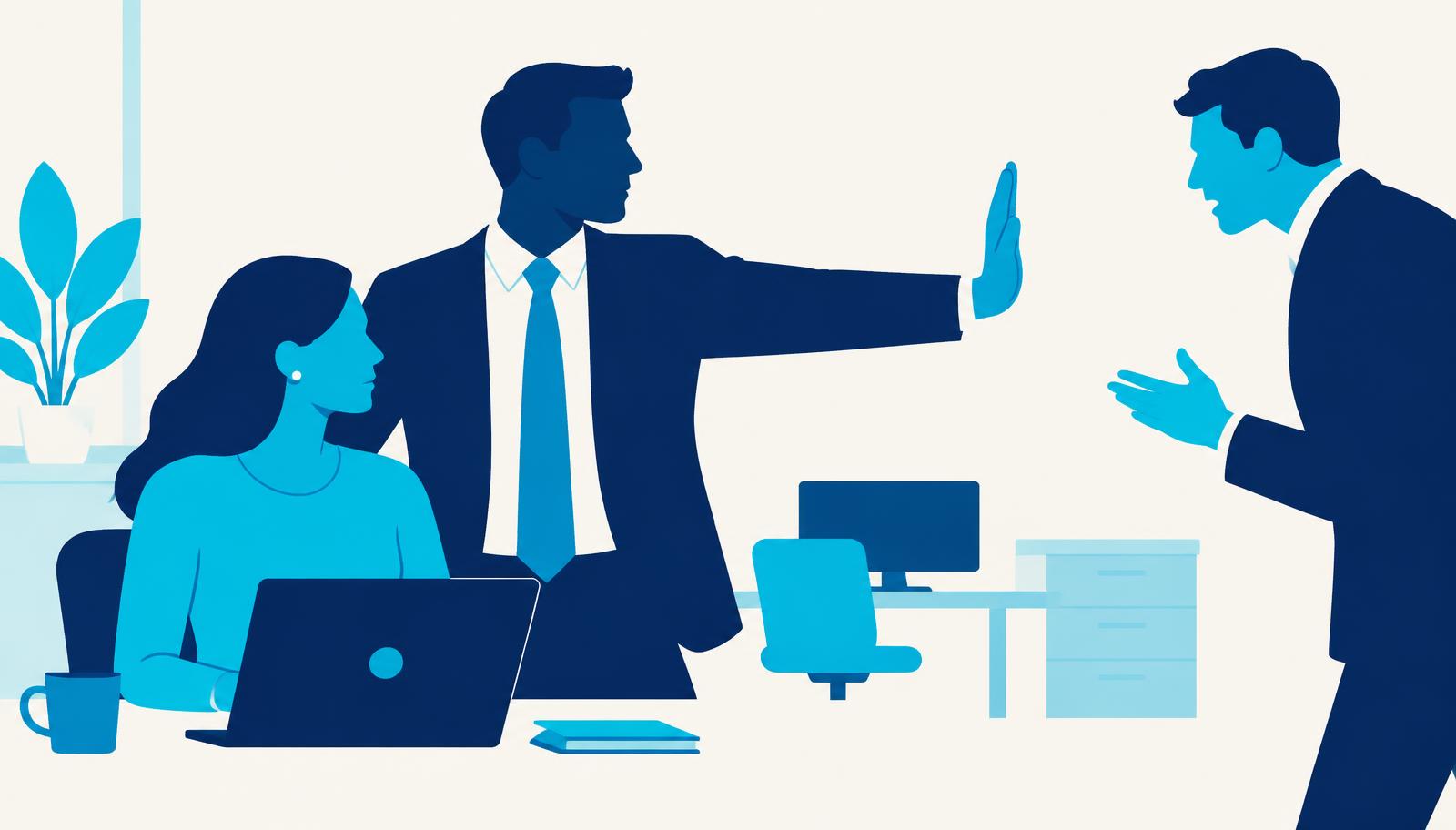
At the time of my first internship, I witnessed a striking scene. There was a very attractive intern in the department, and every day managers from other floors would come down to her desk not only to say "good morning," but to ask her to stand up and "do a little spin." Years later, already a manager, I saw the arrival of a foreign professional with the aesthetic profile of a model; the frisson among female colleagues and comments of a physical nature became routine in the office.
There are those who look at these old stories and comment with nostalgia: "Back then, anything went; now the world has become boring and full of whining".
The stark truth is different: the world hasn't become boring; it just stopped tolerating disrespect disguised as a joke.
Data from the National Council of Justice shows a sharp increase in labor lawsuits involving moral and sexual harassment in Brazil. And the impact goes far beyond the courts: it affects brand reputation, destroys the organizational climate, and paralyzes productivity.
The golden rule: The focus of the workplace is production
The professional environment brings together people with completely different backgrounds, values, and ages. And the only way to ensure harmony is to understand the concept of corporate etiquette.
Etiquette is nothing more than "small ethics": the set of good manners that makes coexistence viable in that space.
In a soccer stadium, shouting and celebrating are part of the dynamic. In a hospital, silence is required. In a company, the absolute focus must be on interpersonal respect and delivering results. Comments about a colleague's body, sexually suggestive jokes, veiled intimidation, and disparaging jokes were never "just a joke" — they have always been poor manners and a violation of dignity.
How to protect your company and create a safe environment?
To prevent the fear of misinterpretations from paralyzing teamwork, leadership must act preventively:
-
Objective Code of Conduct: Define what appropriate conduct is and what characterizes moral and sexual harassment.
-
Impartial reporting channels: Provide employees with a safe and anonymous way to report misconduct.
-
Continuous training: Promote talks that educate leaders on how to demand results without resorting to workplace bullying or humiliation.
Individual common sense is not enough to guide an organization. Respect is the non-negotiable pillar for those who want to attract and retain real talent.
Does your company have clear harassment prevention policies?
MAXTA Human Intelligence develops codes of conduct, listening channels, and specialized training on the prevention of moral and sexual harassment in the corporate environment.
👉 [Clique aqui e saiba como blindar a cultura da sua empresa.]
--
Robson Vitorino is the CEO of MAXTA Human Intelligence, a psychoanalyst, author, and contributing professor at IBMEC.
Frequently asked questions
About the author
Robson VitorinoCEO and founder of MAXTA Human Intelligence
Specialist in behavioral intelligence, leadership and organizational health. As head of MAXTA, he develops analyses based on DISC and Big Five to support people and companies in career, management and culture decisions.
Understand your behavior in depth
MAXTA analyses combine DISC and Big Five to support career, leadership and people management decisions.
Explore the analyses